
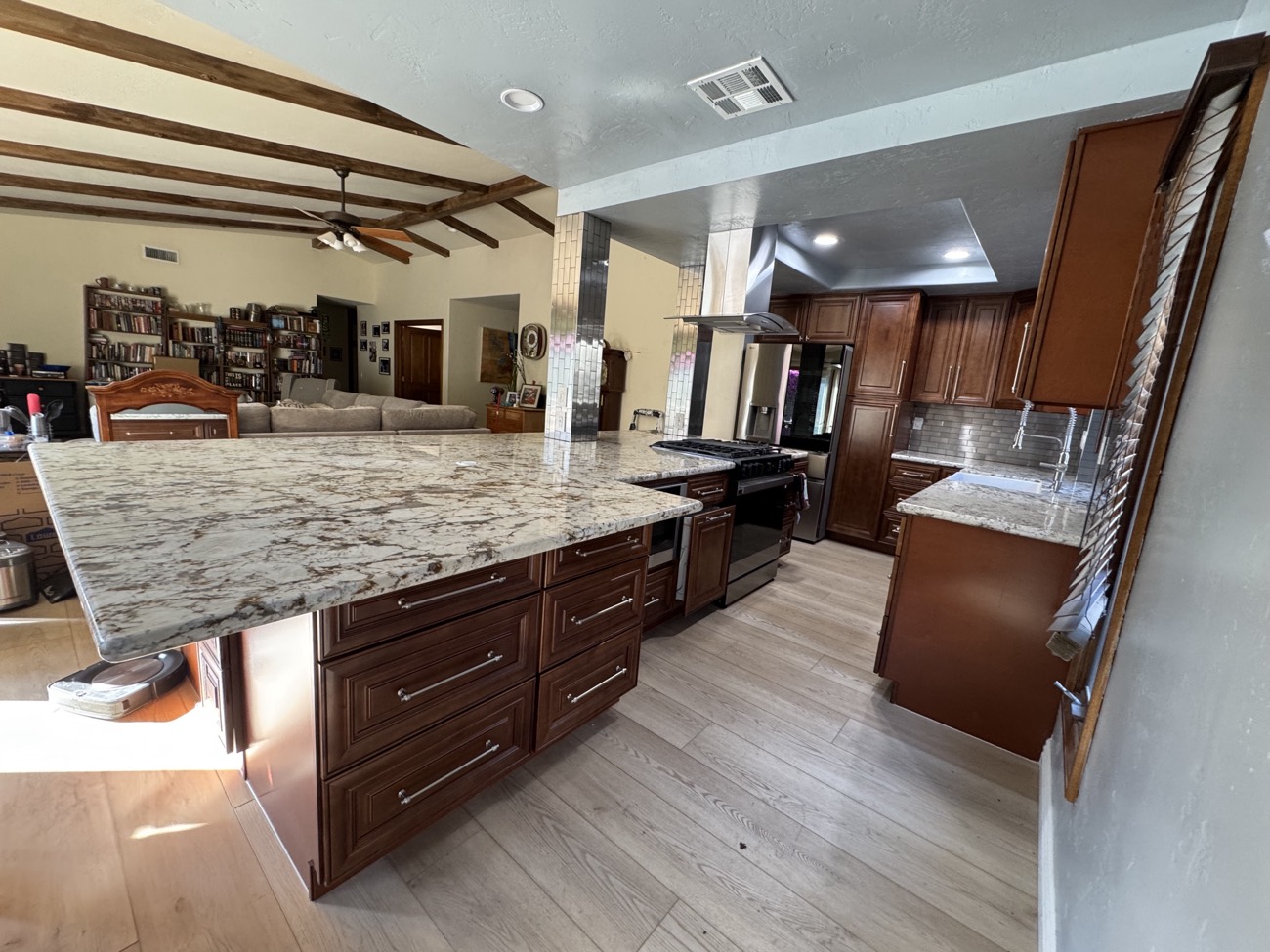
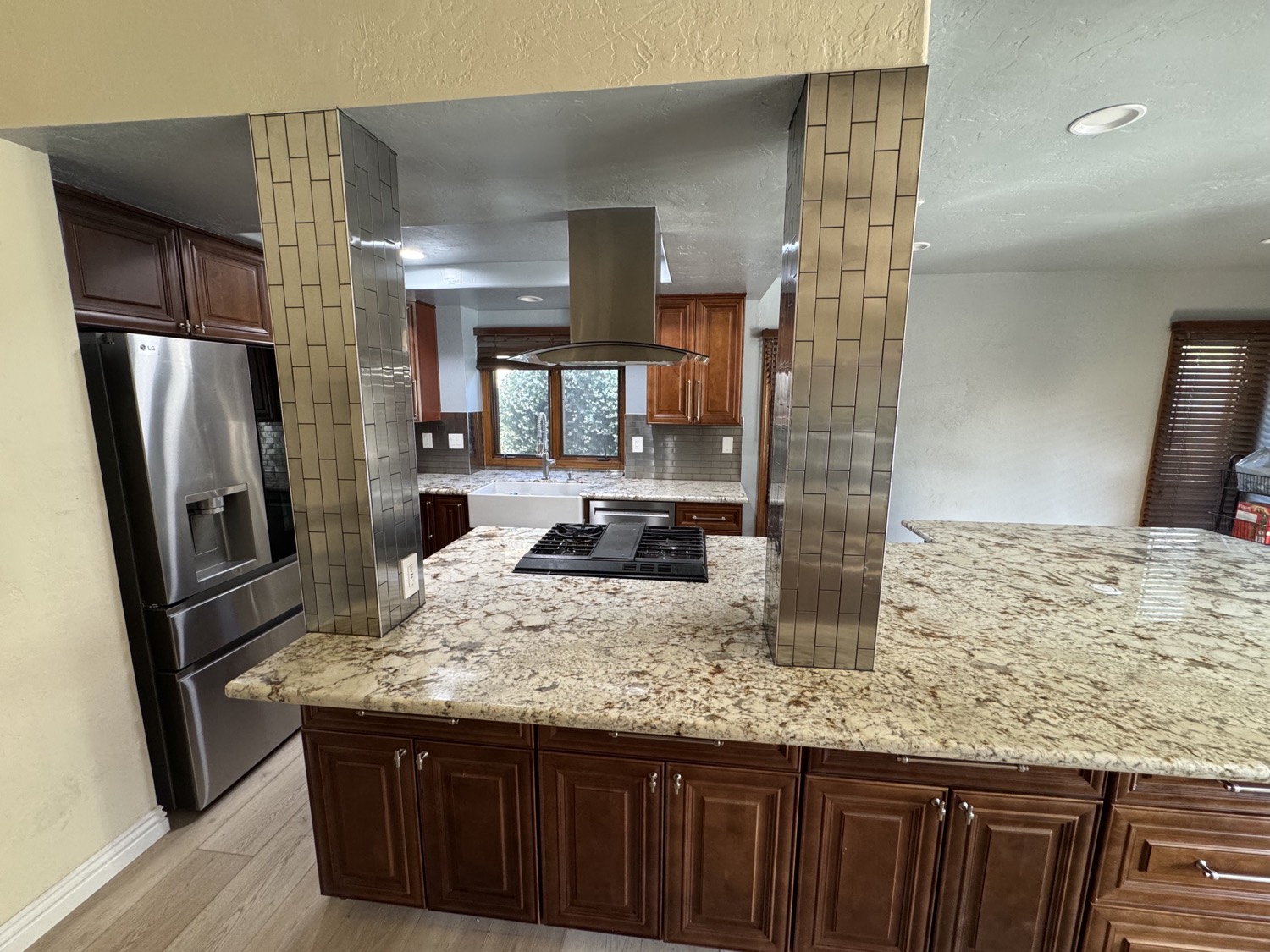
One of the most common questions homeowners ask is how much a kitchen or bathroom remodel costs. The honest answer is that it depends — on the size of the project, the materials you choose, and the scope of work involved. Two homes on the same street can end up with very different price tags, because no two remodels are truly identical. Below is a plain-spoken look at what actually drives the cost, so you can plan with realistic expectations before you ever request a quote.
What Drives the Cost
Most of what you'll spend on a remodel comes down to a handful of factors. Understanding them up front helps you make smart decisions about where to invest and where to hold back.
- Size and layout changes. Keeping your existing footprint is far more affordable than moving walls, relocating plumbing, or rerouting electrical. The moment you change the layout, costs climb.
- Materials and finishes. Cabinets, countertops, tile, fixtures and flooring span an enormous range. Stock cabinets and porcelain tile cost a fraction of custom cabinetry and natural stone.
- Labor. Skilled trades — plumbers, electricians, tile setters, finish carpenters — make up a large share of any project, and quality workmanship is where a remodel is won or lost.
- Permits and inspections. California requires permits for most structural, plumbing and electrical work. Permit fees vary by city and county and should always be factored into your budget.
Typical Ranges
Every project is quoted individually, so treat the following only as very broad, general industry ballparks — not a quote for your home. Actual costs depend heavily on your materials, the condition of what's behind the walls, and how much of the layout you change.
As a rough guide, a bathroom remodel tends to land on the lower end when you keep the existing layout and choose mid-range finishes, and moves higher for larger primary bathrooms, custom tile work, or moving fixtures. A kitchen remodel is typically the more expensive of the two, largely because of cabinetry, countertops and appliances — a modest refresh sits well below a full gut renovation with custom cabinets and premium stone. Higher-end materials, structural changes and specialty features can push either project well above the middle of the range.
The only way to know what your remodel will actually cost is a detailed, in-home estimate based on your space and your goals. Beware of any contractor who quotes a firm price without seeing the job.
Where Homeowners Can Save
Staying on budget usually isn't about cutting corners — it's about making intentional choices. A few of the most reliable ways to keep costs in check:
Keep your existing layout where possible, since plumbing and electrical relocation adds up quickly. Mix your materials by splurging on the finishes you touch and see every day while choosing durable, budget-friendly options elsewhere. Prioritize the work that matters most and phase the rest if needed. And decide on your selections before work begins — mid-project changes are one of the biggest drivers of unexpected cost and delay.
The Bottom Line
A remodel is an investment in how you live and in the long-term value of your home. Rather than chasing the lowest number, focus on a clear scope, quality materials that fit your budget, and a licensed contractor who communicates honestly about what things cost and why. That combination is what keeps a project on time, on budget, and something you'll be happy with for years.
If you're planning a kitchen or bathroom project in Lake Elsinore or anywhere across Southwest Riverside County and the Inland Empire, Inland Renovation & Construction is happy to walk your space, talk through options and give you a clear, no-pressure estimate for your specific project.